
There is a deeply engrained, often painful dynamic in many engineering organizations.
On one side, you have the Feature Teams where the application developers racing to ship value to end-users. On the other side, you have the Platform Teams comprising of the Infrastructure, DevOps, SRE, and Internal API groups building the foundation beneath them.
In the traditional model, the relationship is transactional. The Feature Team needs a database; they file a ticket. The Platform Team provisions it and closes the ticket. The Feature Team needs a new CI/CD pipeline; the Platform Team builds it, documents it in a wiki, and throws it over the wall.
This model is failing. It leads to shadow IT, slow delivery velocity, and a pervasive us vs. them mentality. Feature teams feel blocked by gatekeepers, and platform teams feel unappreciated and buried in repetitive support requests.
The solution isn’t better ticketing software. It’s a fundamental shift in mindset.
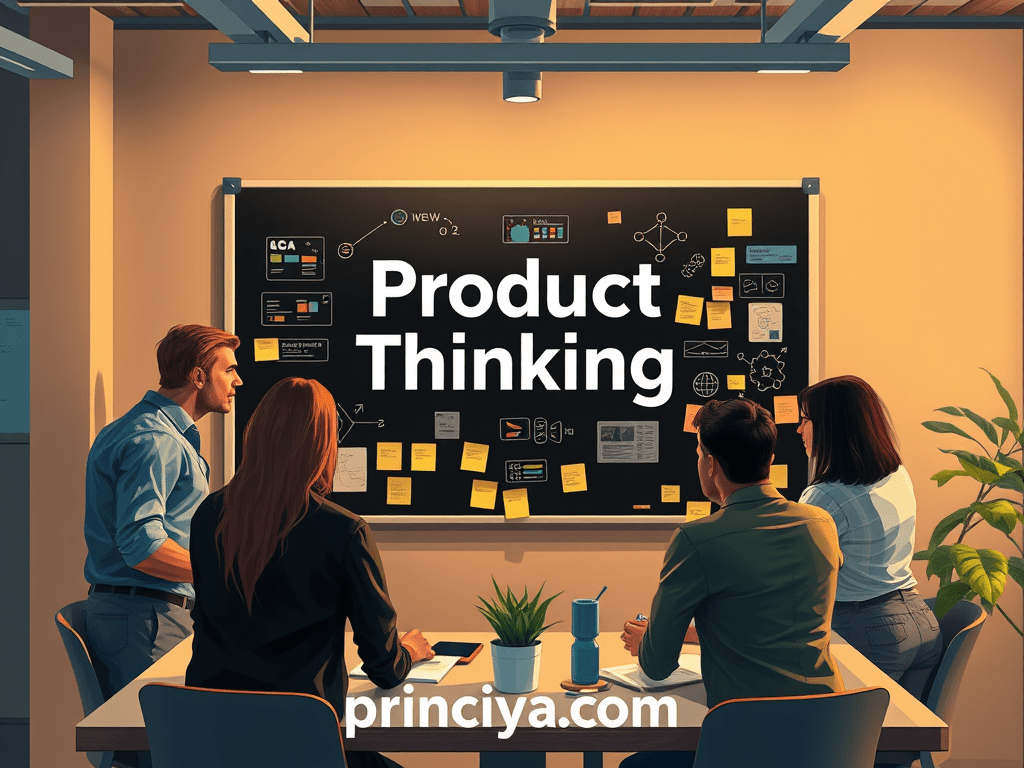
It’s time to bring Product Thinking to platform engineering.
The Core Shift: From Developers to Customers
The first step in this transformation is semantic, but its impact is profound. The developers who consume your internal APIs, deploy via your pipelines, or host on your Kubernetes clusters are not just internal users. They are your customers.
If you were building a SaaS product for the open market, you wouldn’t randomly change an API endpoint without warning. You wouldn’t ship a feature without documentation. You wouldn’t ignore support requests for three days.
Why is it acceptable to do that to your own colleagues?
When you adopt a product mindset, the goal shifts from maintaining stability to maximizing customer value. Stability is still essential, but it’s merely a baseline requirement, not the end goal. The end goal is accelerating your customers’ ability to ship their products.


 Princiya Sequeira
Leave a comment